
The Allure of Gambling: An Introduction
Gambling has captivated human beings for centuries, intertwining excitement with risk-taking behavior. The thrill of potentially winning big often drives individuals to engage in various gambling activities, including exploring australian online casino platforms that offer unique experiences. The psychology behind why people gamble extends beyond simple entertainment; it delves into the realms of reward systems, cognitive biases, and emotional triggers. Understanding these factors not only elucidates the motivations for gambling but also highlights the potential psychological ramifications associated with it.
One primary aspect influencing gambling behavior is the concept of reward. When individuals engage in gambling, they experience a rush of adrenaline and a release of dopamine—a neurotransmitter associated with pleasure and satisfaction. This chemical reaction reinforces the desire to gamble, as the brain begins to associate gambling with positive feelings. Additionally, cognitive biases such as the illusion of control may lead gamblers to believe they can influence outcomes, which can further entrench them in their gambling habits.
Moreover, the social aspect of gambling cannot be overlooked. Many individuals are drawn to casinos and betting establishments not only for the games but also for the communal experience it offers. The presence of others, the celebratory atmosphere, and the shared excitement can create a sense of belonging that enhances the overall gambling experience. Understanding these dynamics is essential for recognizing the complex motivations behind gambling behavior and its potential impacts on individuals.
Cognitive Biases and Illusions in Gambling
Cognitive biases play a significant role in shaping gambling behaviors, leading individuals to make irrational decisions based on flawed reasoning. One prominent bias is the gambler’s fallacy, where individuals mistakenly believe that past outcomes will influence future results. For example, someone may think that after a series of losses on a slot machine, a win is “due” soon. This belief can lead to continued gambling despite negative outcomes, perpetuating a cycle of loss.
Another cognitive distortion affecting gamblers is overconfidence. Many bettors believe they possess an innate ability to predict outcomes or possess superior knowledge about a game. This overestimation of skill can encourage further gambling, as individuals ignore statistical realities and trends that suggest otherwise. Such biases often cloud judgment, leading to increased risk-taking and potentially detrimental financial consequences for the gambler.
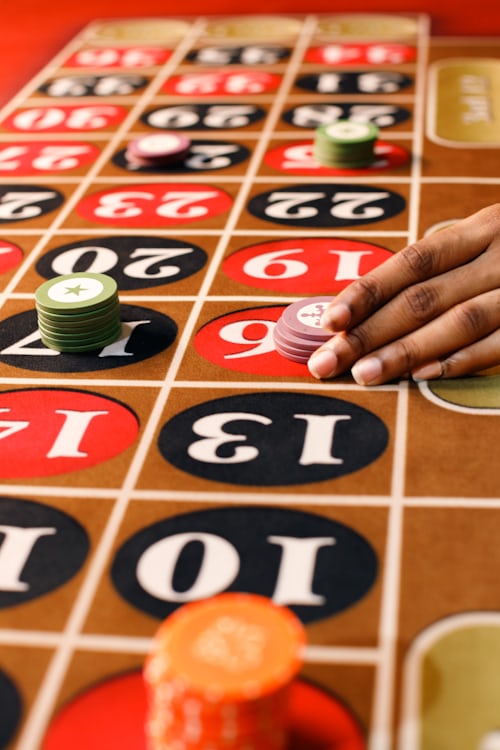
Additionally, the concept of near misses can significantly impact gambling behavior. When players experience an outcome that is just shy of a win, the brain often interprets this as a sign that success is within reach. This feeling can create a compelling urge to continue gambling, as individuals believe they are closer to winning than they may actually be. The interplay of these cognitive biases highlights why gambling can be a particularly challenging habit to break.
The Role of Emotion and Mood in Gambling
Emotions heavily influence gambling behavior, often acting as a catalyst for participation. Many individuals gamble to escape negative emotions such as stress, anxiety, or depression. The temporary thrill of gambling can provide a rush that allows them to forget their worries, albeit for a brief period. However, this reliance on gambling as an emotional coping mechanism can lead to detrimental outcomes and create a cycle of dependency.
Conversely, positive emotions can also propel individuals towards gambling. Celebratory events or moments of excitement can lead people to view gambling as a form of social play, further complicating the psychology behind their actions. The association of gambling with pleasure and success can blur the lines between responsible gambling and excessive behavior, causing individuals to gamble beyond their means.
Furthermore, the impact of mood on gambling can vary greatly among individuals. Research indicates that those with existing emotional difficulties may be more susceptible to developing problematic gambling behaviors. Understanding the emotional landscape surrounding gambling can provide insight into both the motivations for and the consequences of engaging in gambling activities.
The Impact of Environment on Gambling Behavior
The environment in which gambling takes place significantly influences individuals’ behaviors and decisions. Casinos and betting establishments are meticulously designed to create an immersive experience, with bright lights, cheerful sounds, and a bustling atmosphere. Such environments are crafted to stimulate excitement and encourage prolonged engagement, drawing individuals deeper into the gambling experience.

Social influences also play a critical role in shaping gambling behaviors. If individuals are surrounded by friends or family members who engage in gambling, they may feel more inclined to join in, regardless of their own personal inclination. Peer pressure and societal norms can normalize gambling behaviors, making it harder for individuals to view their actions critically. This social dynamic emphasizes the influence of collective behavior on individual choices.
Moreover, technological advancements have altered the gambling landscape, with online casinos and mobile betting apps making gambling more accessible than ever. The convenience of gambling online can lead to impulsive decisions, pushing individuals to gamble more often and sometimes excessively. Understanding the environmental factors that contribute to gambling behavior is essential for developing effective strategies for responsible gambling practices.
Exploring Responsible Gambling and Resources
As the understanding of gambling behavior deepens, so does the importance of promoting responsible gambling practices. Resources such as awareness campaigns, hotlines, and self-exclusion programs aim to educate individuals about the risks associated with gambling and provide support for those who may be struggling. Government regulations and industry standards also play crucial roles in fostering safer gambling environments.
Community support systems and advocacy groups have emerged to help those affected by gambling addiction. These organizations often offer counseling, resources, and education to individuals and families dealing with gambling-related issues. By raising awareness and promoting open discussions about gambling behaviors, these initiatives aim to combat the stigma surrounding gambling addiction and encourage individuals to seek help.
Ultimately, understanding the psychology behind gambling behavior is a crucial step in fostering a healthier approach to this activity. By acknowledging the cognitive, emotional, and environmental factors at play, individuals can make informed decisions about their gambling choices, ensuring a balance between enjoyment and responsibility.